Articles
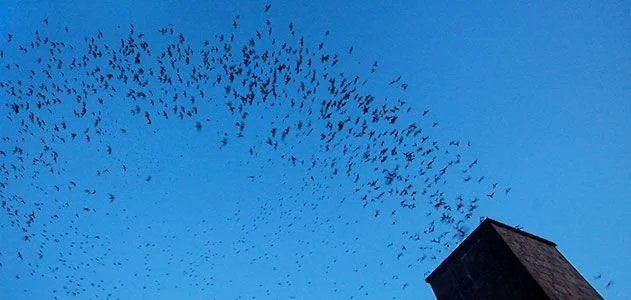
“Hold a soft, soot-brown Chaetura vauxi in your hand and you’ll feel how light it is—no heavier than a handful of cotton balls. You’ll also get a sense for what kind of flier it might be—the bird is mostly wings, two scimitar-shaped extensions that give loft to a stubby body and short, squared-off tail.”
– from The Disappearing Habitats of the Vaux’s Swifts, by Maria Dolan-Smithsonian.com
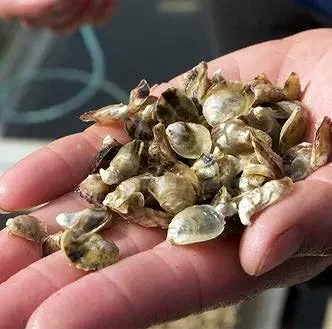
Don’t Believe in Climate Change? Talk to a Clam Digger. (Slate Magazine/Grist)
Ocean acidification, as scientists call this pickling of the seas, is, like climate change, a result of the enormous amount of carbon dioxide humans have pumped into the atmosphere. Oceans have absorbed about a quarter of that output, and ocean chemistry has changed as a result.
View PDF
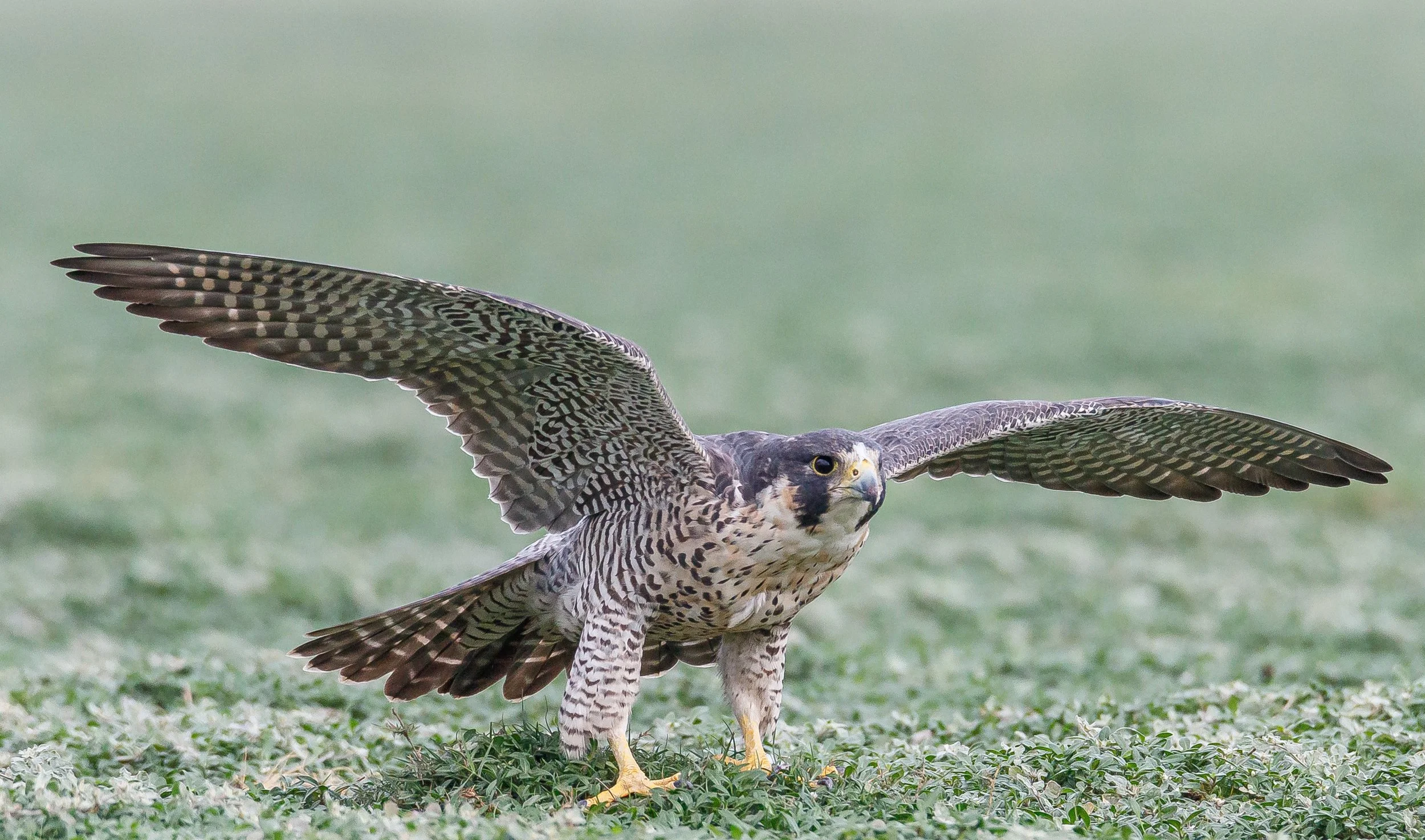
Peerless Peregrines (Journey Magazine)
“Peregrines dazzle spectators with steep, 200 mph-plus hunting dives (called ‘stoops’) from 2,000 feet or higher onto unsuspecting prey….The peregrine’s adaptations are ‘a peak of evolution,’ says raptor biologist Bud Anderson”
Image: A peregrine falcon atop tacoma’s old post office building (1102 A Street)
View PDF
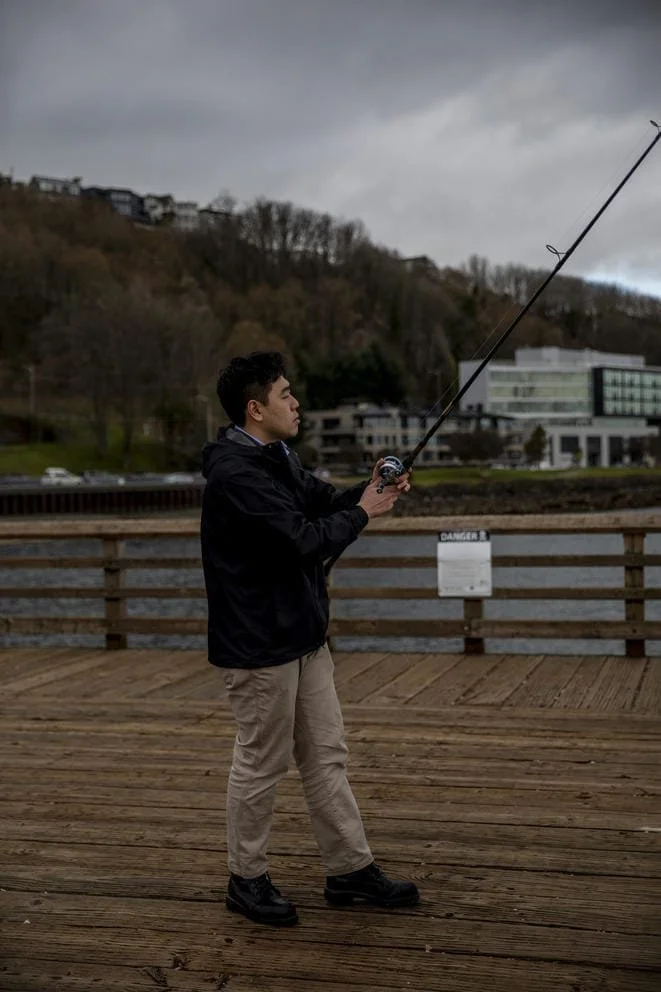
Seattle’s Vanishing Piers (Crosscut.com)
Almost everyone has lost a favorite gathering place. I learned from some Seattle fishers about the Puget Sound pier where they found comfort, solace, friendship, and, implausibly, crème brûlée.
Image: Daniel Kim spends the afternoon fishing at Seacrest Park in West Seattle on Feb. 28, 2020.
View PDF
Fall’s Fantastic Wildlife Frolics
(Journey Magazine)
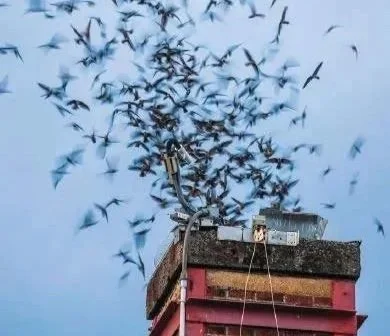
A story about some of the wildlife that is out and visible in the fall in the PNW. (This story was designed to appeal to people social distancing during Covid.) Included tips for finding Vaux’s swifts, beavers, moose and migrating waterfowl.
Image: Vaux’s Swifts fly into a chimney for the night at the Wagner Performing Arts Center in Monroe, Washington. Photo: Kevin Ebi/Alamy
View PDF
Carbon Offsets for Urban Trees
(Bloomberg CityLab)
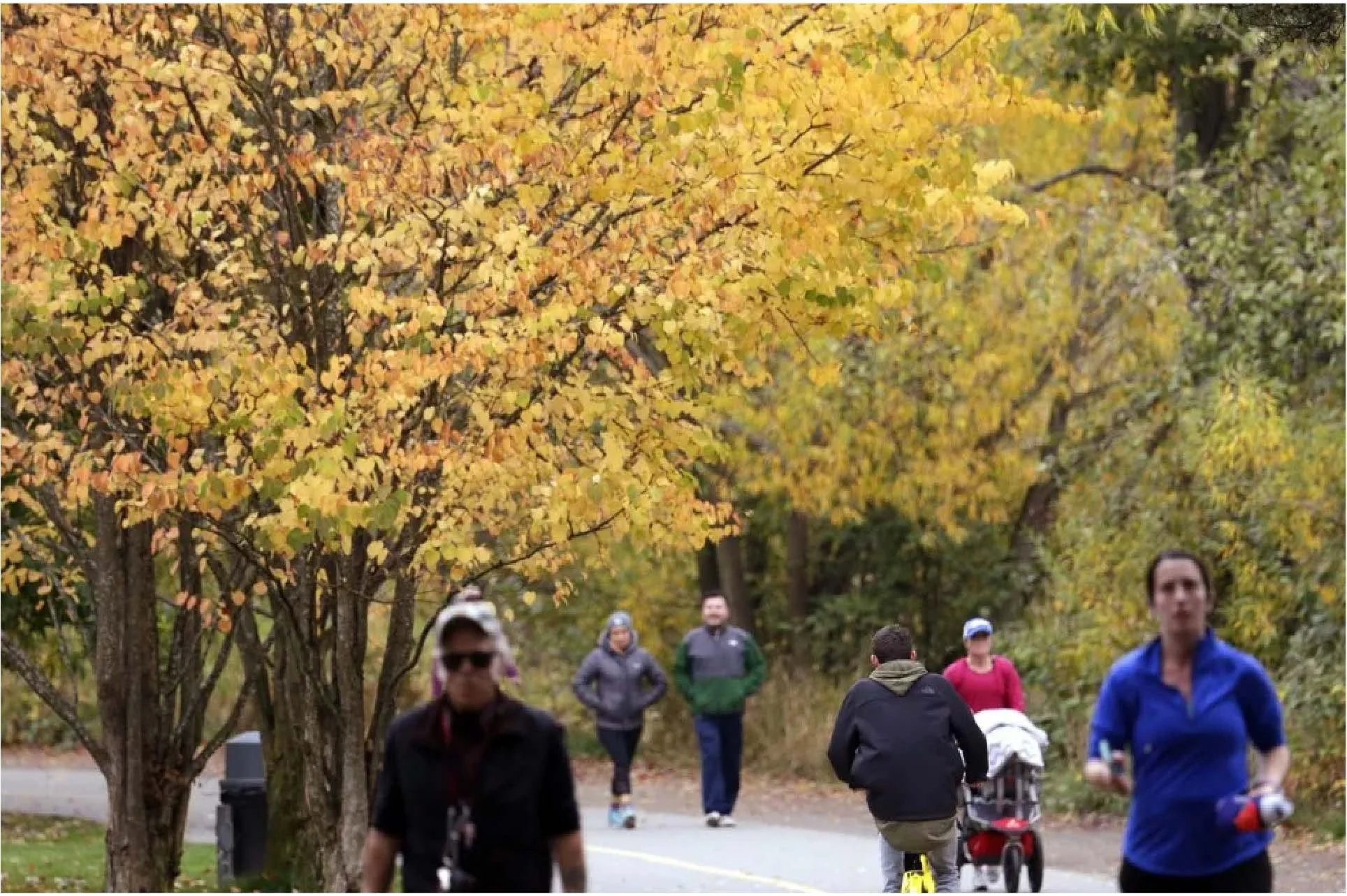
The evidence is in: Urban trees improve air and water quality, reduce energy costs, and improve human health, even as they offer the benefit of storing carbon. And in cities across the country, they are disappearing. A recent paper by two U.S. Forest Service scientists reported that metropolitan areas in the U.S. are losing about 36 million trees each year.
Image: Pedestrians pass trees with brilliant fall leaves at Seattle's Green Lake Park. Elaine Thompson/AP
View PDF
The Disappearing Habitats of Vaux’s Swifts (Smithsonian.com)
No one knows exactly where Vaux’s (pronounced “vauks”) swifts spend the winter, or the details of their migration route. It’s not even known whether they migrate at night, as most birds do. But we do know the birds need chimneys. Schwitters has discovered that this one at Frank Wagner Elementary School might be the most important chimney in the region— more than 26,000 birds have been counted entering it in one evening.
View PDF
Sea Lions, Scientists Love Shilshole
(Seattle Times)
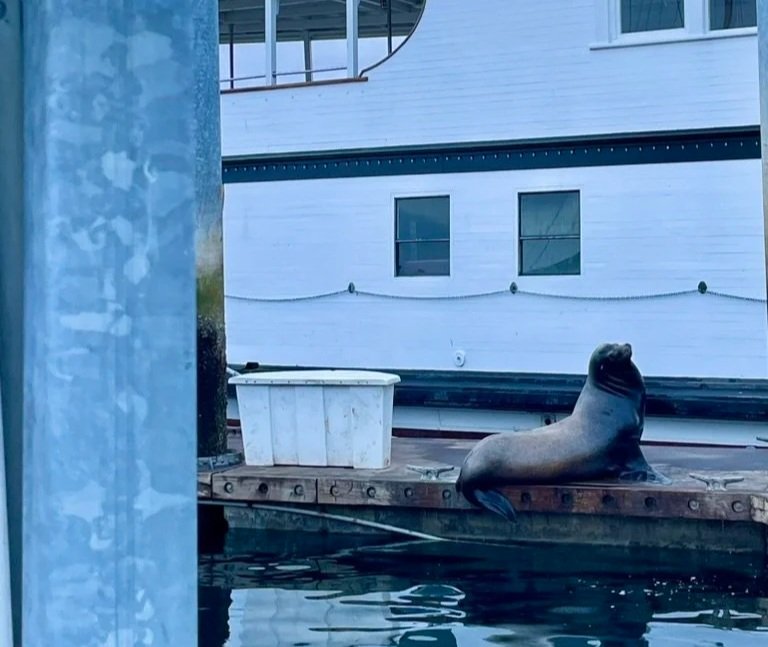
I rode along on a boat for a sea-lion monitoring trip with National Marine Fisheries Service scientists in Shilshole Bay, Seattle. Monitoring began here in 1989 after the pinnipeds (a family that includes walruses and seals) started devouring steelhead at the Hiram M. Chittenden Locks, just south of this spot.
View PDF
Our Sea Stars Are Dying and No One Knows Why (Seattle Magazine)
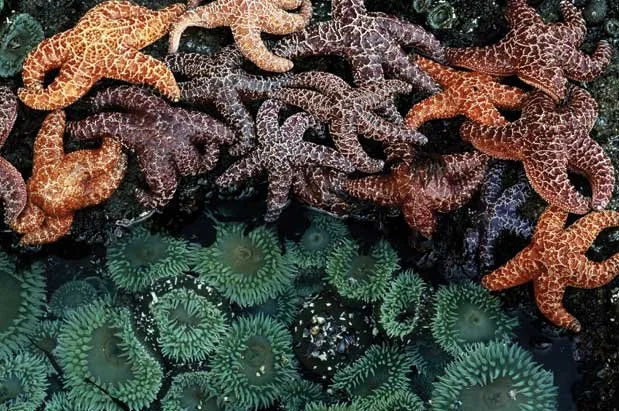
This article about sea star wasting disease won first place for Magazine Editorial and Commentary at the PNW Society for Professional Journalists Excellence in Journalism Competition. The wasting disease was one of the largest marine epidemics ever recorded, and killed millions of Pacific coast sea stars.
View PDF
Owls Go to Town In Search of Fall Food (Seattle Times)
These characters of myth and fairytale (and Harry Potter) also live in the city with us. The raptors have been spotted in diverse urban locations, including downtown, and they nest in several Seattle parks. Autumn is a particularly good time to see owls in unlikely places.
Image: Paul Edmondson
View PDF
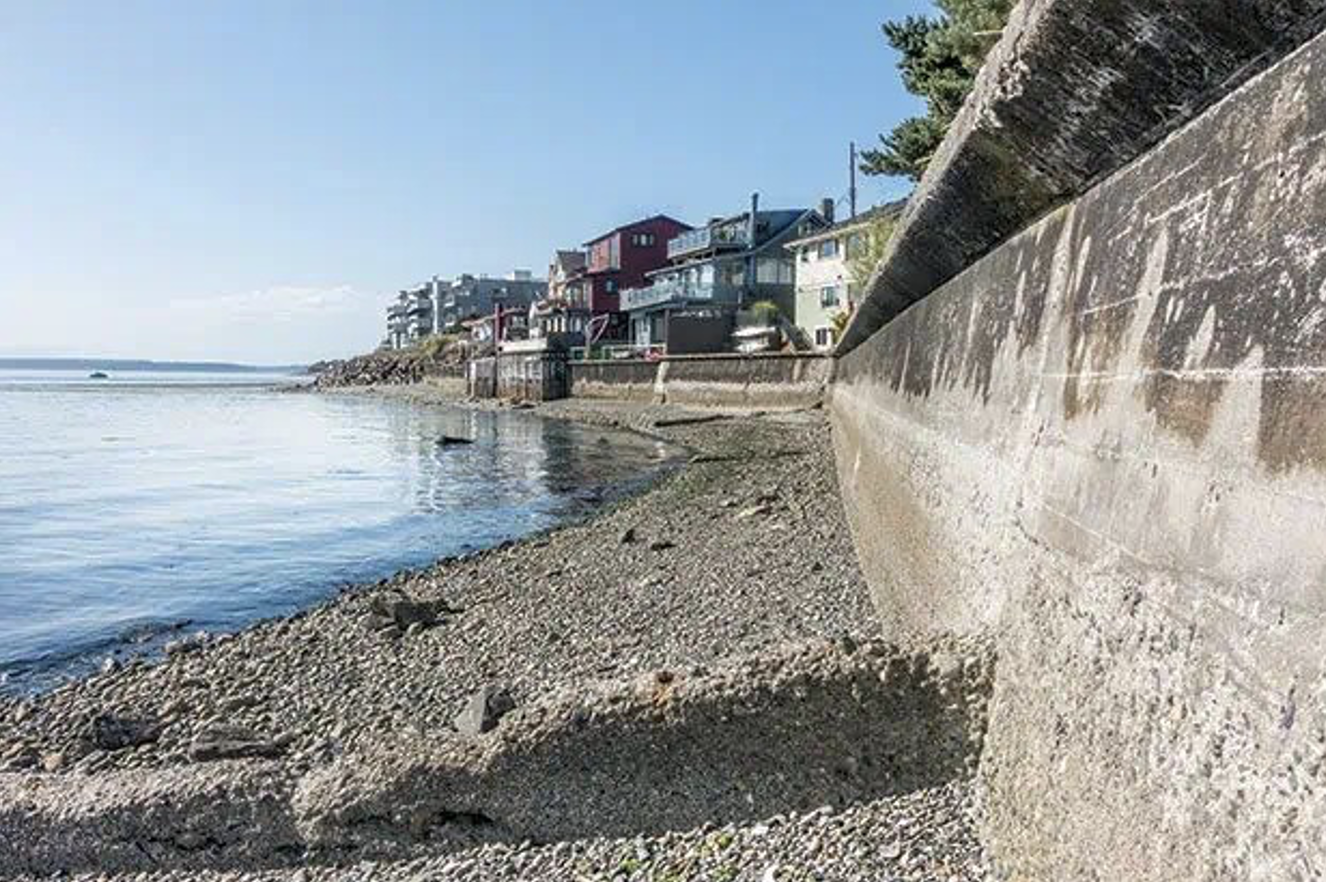
Seattle Seawalls no Longer a Shore Thing (Seattle Magazine)
On a sunny autumn morning, an ebullient Pat Collier steps down to the beach and waves her hand at the expanse of sand below her Maury Island home. “Look how much I’ve gained!” the 80-year-old says. She’s referring to her beach, which has been expanding since 2006, when she removed most of her bulkhead—a retaining wall built to stop beach erosion.
View PDF
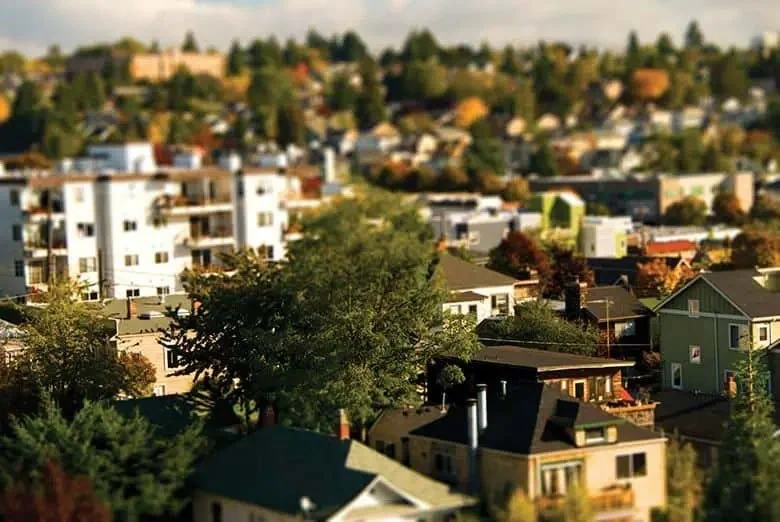
The Struggle to Save Seattle’s Urban Trees in the Face of Development
(Seattle Magazine)
When University of Washington social scientist Kathleen Wolf, Ph.D., needs a break, she rides her bike through the gardens of Ballard’s Hiram M. Chittenden Locks, often ending up at the Washington Park Arboretum. It’s a trip she takes to experience “forest bathing,” or shinrin-yoku, the name Japanese researchers have given to the experience of spending time in naturalistic green spaces at a contemplative pace.
View PDF
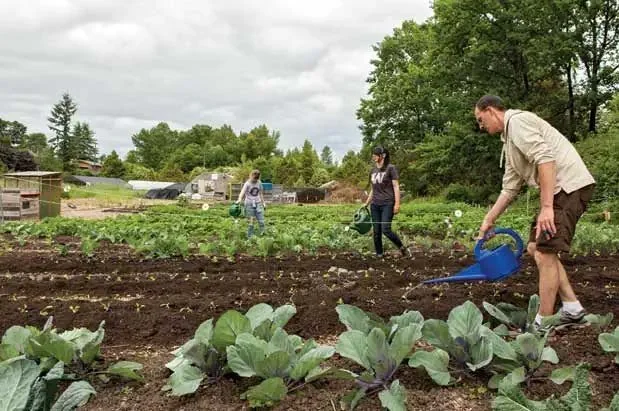
On the Urban Farm (Seattle Magazine)
Seattle’s biggest urban farm is taking root in Rainier Valley. At the 8-acre Rainier Beach Urban Farm and Wetlands (RBUFW), grasses, clover and dandelions hug the ground, sprinkled with drifts of tiny daisies. Red-winged blackbirds heckle from the wetlands’ reeds, and a bald eagle coasts high in the blue sky.
View PDF
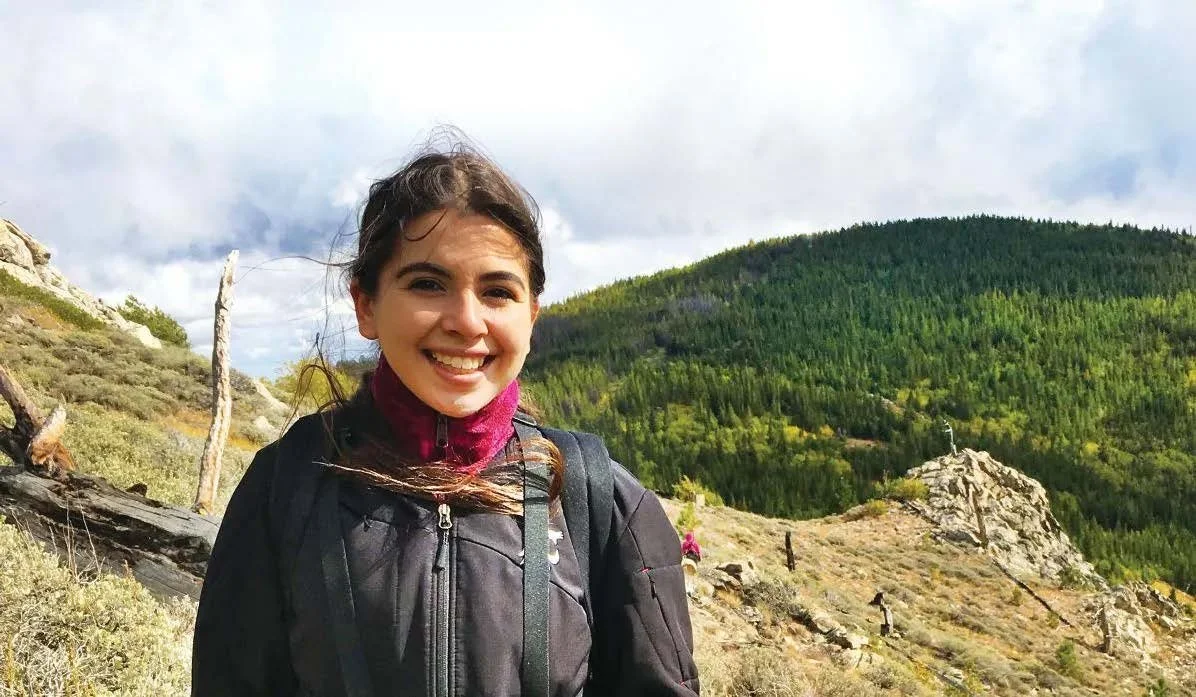
Elisa Lopez, Outdoor Connector
(Journey Magazine)
Q&A With Elisa Lopez, Project Director of the Wenatchee, WA organization Team Naturaleza. Lopez leads bilingual snowshoeing and hiking trips as project director at Team Naturaleza, a Wenatchee organization connecting diverse communities to trails and wild lands in Washington’s Central Valley.
Image: Eliza Lopez
View PDF
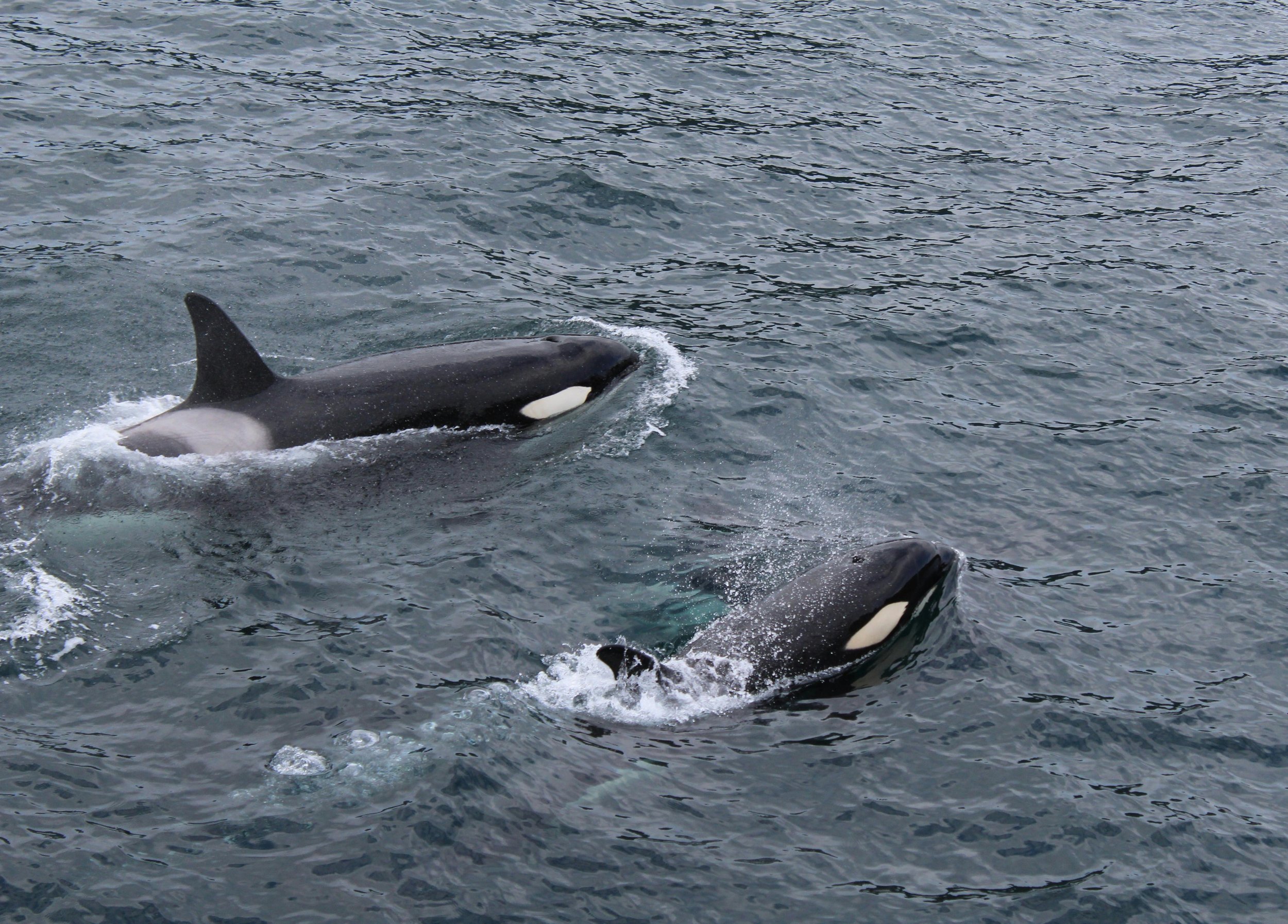
Can Seattle Scientists Save Orcas from Extinction?
This story is about the death of a young killer whale that washed up on the beach on southwest Washington’s Long Beach Peninsula. Although not all killer whale groups worldwide are troubled, these orcas are endangered. Shrinking salmon runs, pollution, and other factors are likely culprits in their demise. Can we save this population from extinction?
Image: Dianne Maddox
View PDF
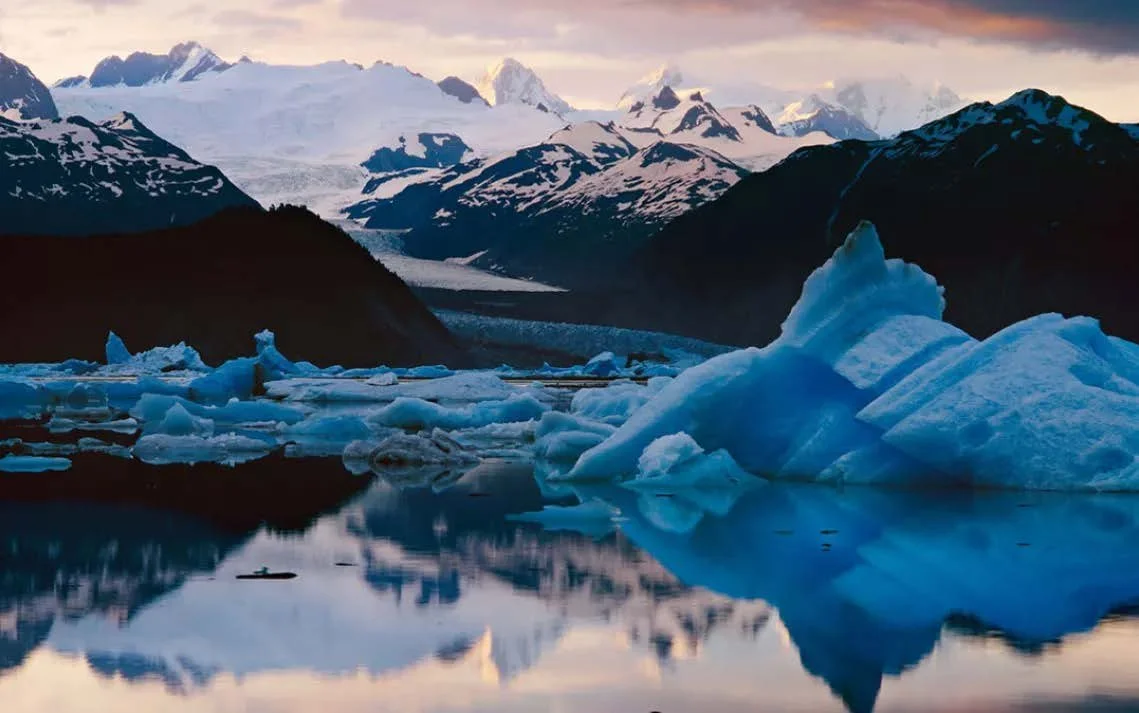
Glacier Bay Moose (Sierra)
Halfway through our Glacier Bay kayak trip, we have seen porcupines, black bears, and humpbacks. We have watched mountain goats scramble up waterside cliffs and a porpoise torpedo under our bow. But I'm still greedy for another wild encounter, another tale to bring back to the city.
Image: Alsek Lake. | Carr Clifton/Minden Pictures
View PDF
Let’s Get in Touch
Get in touch by emailing me at mariafieldguide@gmail.com, or find me on Instagram @bookish_md